Physical Address
304 North Cardinal St.
Dorchester Center, MA 02124
Physical Address
304 North Cardinal St.
Dorchester Center, MA 02124

In today’s digital world, a Cyber Expert is essential for any growing business. Cyber threats are increasing every day, and without proper protection, companies risk losing sensitive data, client trust, and business opportunities. Every growing business needs a professional who can manage security risks, implement cybersecurity solutions, and ensure safe digital operations.
Businesses often focus on growth and expansion but overlook the importance of protecting their digital assets. From customer information to internal communications, every piece of data can be a target. Proper security measures ensure that these assets are safe and that operations run smoothly without interruption.
This blog explains why digital security is critical, how protective solutions help businesses, and offers practical tips for securing important data.
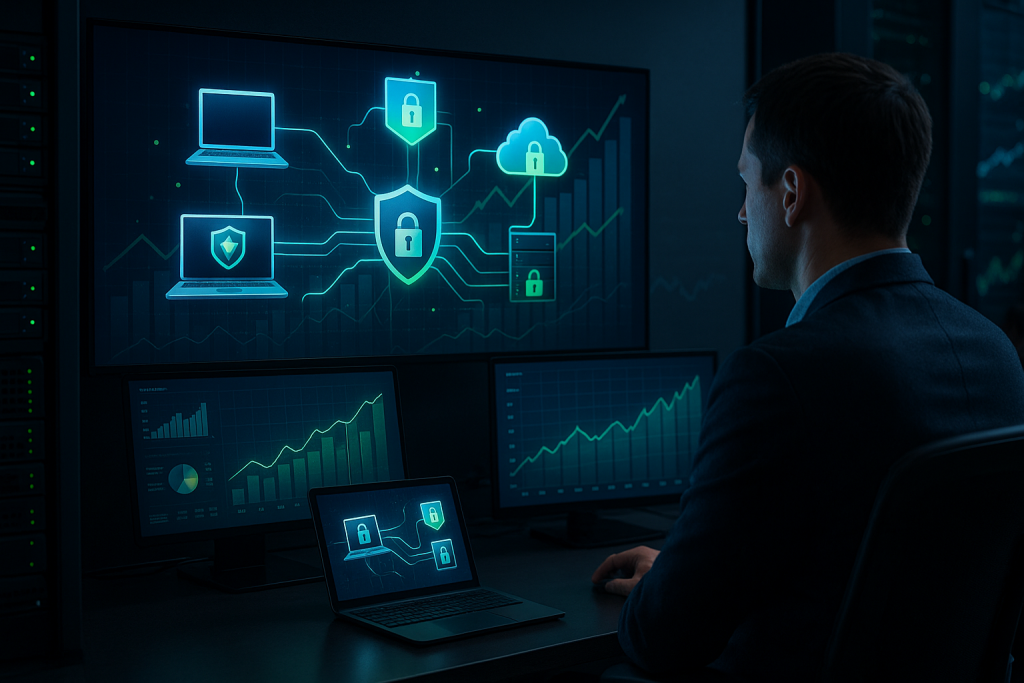
Growing businesses are attractive targets for cybercriminals. They often have valuable customer data, active online operations, and developing IT systems. Without proper safeguards, a single breach can cause financial loss, reputational damage, or legal result.
Small and mid-sized companies often think they are too small to be targeted. In reality, cyber attackers see them as easier targets because security measures may not be fully implemented. Proper security measures can proactively address these vulnerabilities before they cause harm.
Another factor is the rapid adoption of digital tools. As businesses expand, they often add software, cloud systems, and other applications. Each new tool increases the potential points of attack. Without professional oversight, these tools can create hidden risks that may go unnoticed until a serious breach occurs.
A security professional evaluates risks, implements protective measures, monitors systems, and responds to potential threats. They ensure that firewalls, encryption, and secure access systems are properly configured. They also recommend security solutions that fit the business’s size and structure.
The role goes beyond technical safeguards. They train employees on safe digital practices, develop emergency response plans, and ensure compliance with data protection regulations. This comprehensive approach protects both company data and customer trust.
They also help identify potential threats before they become issues. For example, by analyzing network activity, unusual patterns or suspicious logins can be detected early. This proactive monitoring is essential for minimizing downtime and preventing costly breaches.
Security solutions are the tools and systems used to prevent unauthorized access, malware attacks, or data breaches. Examples include firewalls, antivirus software, secure cloud storage, and intrusion detection systems. A security professional knows which solutions to implement and how to integrate them effectively into daily operations.
Using proper cybersecurity solutions helps companies maintain business continuity. When systems are secure, employees can focus on growth and productivity rather than worrying about potential attacks. It also builds client confidence, as customers trust businesses that protect their information.
Security tools also provide detailed reporting and analytics. Businesses can track attempted attacks, identify weaknesses, and plan upgrades. These insights allow leadership to make informed decisions about future investments in IT and overall protection.
A security professional monitors these risks and implements strategies to reduce their impact. Early detection and response can prevent minor incidents from becoming major breaches. By staying ahead of potential threats, businesses can avoid unexpected financial losses and damage to their reputation.
Having a security professional allows a business to grow confidently without constant fear of cyber threats. They provide guidance on safe digital practices, implement effective security measures, and maintain business continuity. With a professional handling security, leadership can focus on innovation, client relations, and market expansion.
Investing in security expertise is also cost-effective. The expense of hiring a professional is often far less than the potential financial loss from a breach. Protecting digital assets ensures long-term sustainability and operational stability.
For example, automated monitoring systems set up by a security professional can alert teams immediately when unusual activity occurs. This allows for faster response and minimal disruption to business operations.
Following these tips ensures that businesses are proactive in preventing cyber threats rather than reacting after damage occurs.
Employees are often the weakest link in digital security. A security professional works with teams to create a culture of safety. Regular training sessions, simulated phishing tests, and clear communication about policies can greatly reduce risks. Employees should understand their role in protecting data and reporting suspicious activities immediately.
Many growing companies adopt multiple digital tools to improve efficiency. While these tools enhance productivity, they can also create vulnerabilities. A security professional ensures that each application integrates securely with existing systems. Proper configuration and ongoing monitoring prevent weak points that could be exploited by attackers.
A Cyber Expert protects your digital assets from threats and ensures smooth operations. They implement cybersecurity solutions tailored to your business. Their expertise reduces risks and strengthens client trust. It allows your team to focus on growth rather than security concerns.
Start by identifying critical information and creating access rules. Use strong passwords and multi-factor authentication. Regularly back up your data and update software. Employee training on safe digital practices is also essential.
Even small businesses can prevent attacks by implementing basic security measures. Use firewalls, antivirus software, and secure cloud storage. Monitor systems for unusual activity. Employee awareness and regular audits are key to staying safe.
Security tools should be reviewed at least quarterly or after major software updates. Testing and adjusting solutions helps catch vulnerabilities early. It ensures your systems remain effective against evolving threats. Regular audits keep your business protected.
Your plan should outline roles, communication protocols, and steps to contain a breach. Include backup access methods and recovery processes. Train staff on procedures and conduct regular drills. This preparation minimizes disruption during incidents.
Every growing business faces increasing cyber risks. A Cyber Expert ensures digital assets are protected, risks are managed, and cybersecurity solutions are implemented effectively. By hiring a professional, companies can focus on growth, maintain client trust, and operate securely. Protecting your digital environment is no longer optional, it is essential for sustainable business growth. For guidance on practical steps and tools to protect your business, explore the insights available at Rahul Jadhav.