Physical Address
304 North Cardinal St.
Dorchester Center, MA 02124
Physical Address
304 North Cardinal St.
Dorchester Center, MA 02124
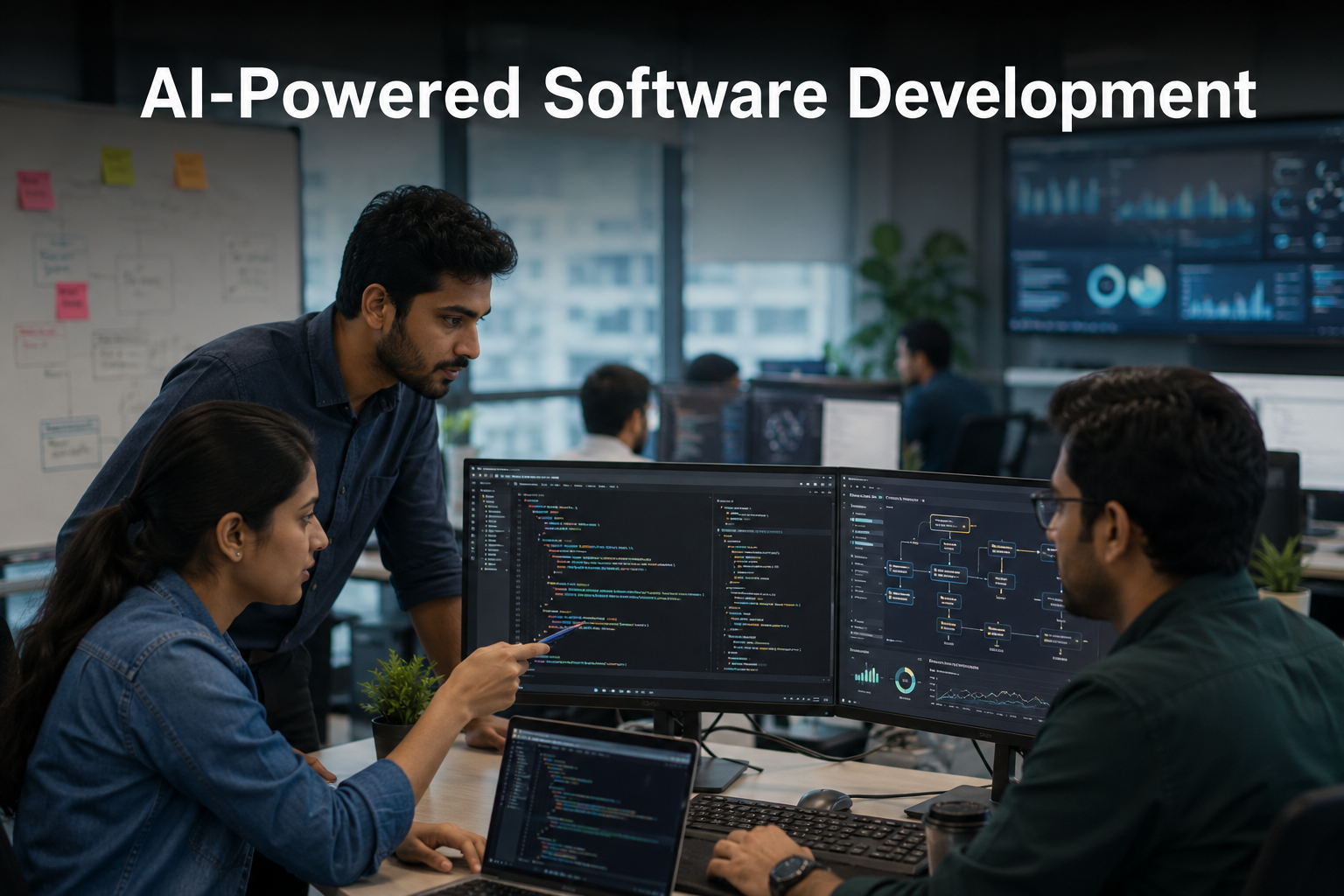
AI-Powered Software Development is becoming one of the most important forces behind the future of automation in businesses and industries. Organisations across the world are looking for smarter ways to improve efficiency, reduce manual work, and accelerate growth. Artificial intelligence is helping businesses automate repetitive tasks, improve decision-making, and streamline operations. As technology continues to advance, companies are adopting intelligent solutions to remain competitive and meet changing customer expectations. The future of AI automation is not only about replacing repetitive activities but also about creating smarter systems that support innovation and business growth. Industries such as marketing, software development, customer service, and business operations are already benefiting from automation technologies. Businesses that embrace these changes early can improve productivity and build stronger foundations for long-term success. The growing demand for intelligent systems highlights the increasing importance of automation in the modern business environment.
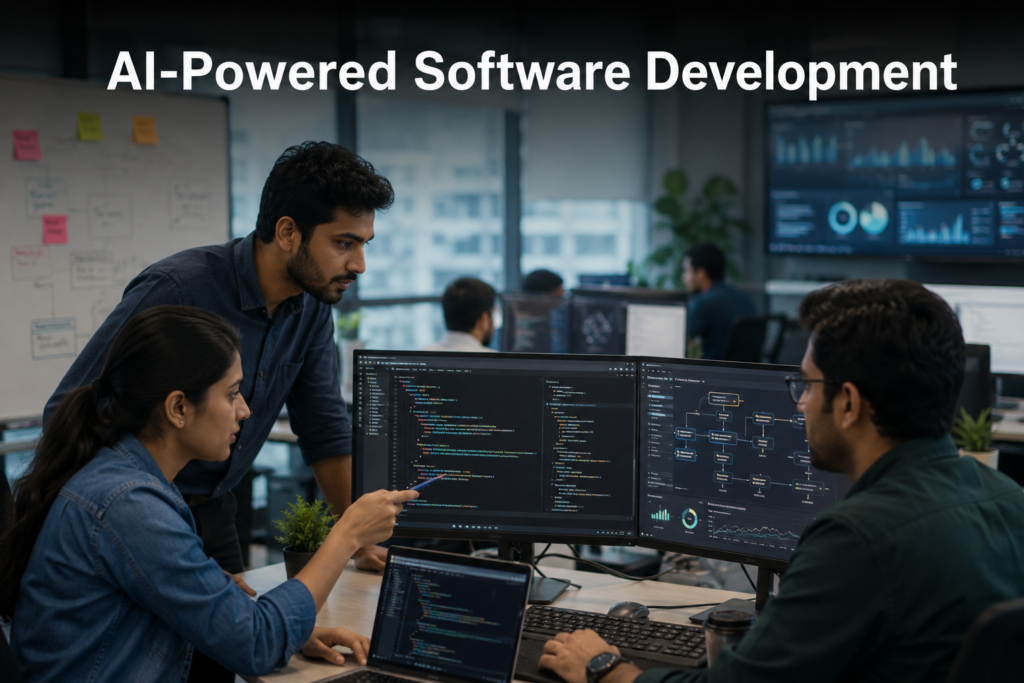
The future of automation depends heavily on software systems that can learn, adapt, and support business operations. Modern organisations require solutions that can process information quickly, improve workflows, and reduce operational challenges. Intelligent software plays a significant role in helping companies achieve these goals. Through automation, businesses can handle repetitive tasks more efficiently while allowing teams to focus on strategic activities. The integration of intelligent technologies into software platforms is creating new opportunities across industries. Companies can improve customer experiences, optimise resources, and increase productivity through better software solutions. As automation becomes more advanced, organisations will continue investing in technologies that enhance operational efficiency and business performance. This shift is creating a future where software becomes a key driver of innovation and growth.
The rise of AI innovation is reshaping how organisations operate and compete in the marketplace. Businesses are increasingly adopting intelligent technologies to automate processes, improve service delivery, and gain valuable insights from data. These innovations enable companies to respond more quickly to changing customer needs and market conditions. Automation solutions can simplify workflows, reduce costs, and improve overall efficiency. Organisations that embrace new technologies often discover opportunities for growth that were previously difficult to achieve. As industries become more digital, innovation will continue to play a critical role in business success. The ability to adapt and implement intelligent solutions effectively can provide a significant competitive advantage. Companies that invest in innovation today are better positioned for future growth and sustainability.
According to the business automation expertise showcased on rahuljadhav.in, organisations can improve efficiency and productivity by adopting modern automation strategies that support long-term growth and operational excellence.
Automation is influencing nearly every industry by improving speed, accuracy, and efficiency. Businesses are using intelligent systems to streamline operations, manage customer interactions, and optimise workflows. Manufacturing companies benefit from automated processes that improve production efficiency. Marketing teams use automation to manage campaigns and analyse customer behavior. Healthcare organisations are exploring ways to improve patient services through intelligent systems. Educational institutions are adopting technology to create personalised learning experiences. These advancements demonstrate how automation can support a wide range of industries. The ability to automate routine tasks allows organisations to focus on innovation, strategy, and customer satisfaction. As adoption increases, automation will continue creating new opportunities for growth and operational improvement.
The importance of AI innovation extends beyond operational efficiency. It enables businesses to create new products, improve customer experiences, and respond to changing market demands more effectively. Organisations that embrace innovation can identify opportunities that competitors may overlook. Intelligent automation helps businesses make faster decisions and improve overall performance. Innovation also supports scalability by allowing companies to manage growth without significantly increasing operational complexity. As industries continue evolving, businesses that prioritise innovation are more likely to remain competitive. The ability to adapt to technological change is becoming a critical factor for long-term success. Organisations that invest in innovation today are preparing themselves for tomorrow’s challenges and opportunities.
The automation and digital growth solutions highlighted on rahuljadhav.in demonstrate how businesses can use technology strategically to improve productivity, streamline workflows, and achieve measurable business outcomes.
One of the biggest advantages of automation is improved efficiency. Intelligent systems can perform repetitive tasks consistently and accurately, reducing the risk of human error. Businesses can save time and allocate resources more effectively. Another benefit is enhanced decision-making. Automated systems can analyse large amounts of information and provide useful insights that support business strategy. Customer experiences also improve because automation enables faster responses and more personalised interactions. Organisations can increase productivity while maintaining quality standards. Automation supports business growth by helping teams focus on high-value activities rather than routine administrative work. These benefits make automation an important component of modern business strategies.
The growth of AI innovation is changing the way people work. Rather than replacing employees, intelligent technologies are helping teams become more productive and efficient. Workers can focus on creative, strategic, and customer-focused activities while automation handles repetitive processes. This shift encourages organisations to invest in skill development and continuous learning. Businesses that support workforce adaptation can maximise the benefits of automation while maintaining strong employee engagement. The future workforce will likely involve closer collaboration between people and technology. Organisations that prepare for this transition will be better equipped to thrive in an increasingly digital economy. Human expertise combined with intelligent systems creates opportunities for stronger business performance and innovation.
Identify specific business challenges before implementing automation solutions. Clear objectives help ensure measurable results and long-term success.
Focus on repetitive tasks that consume significant time and resources. Automating these activities can deliver immediate value.
Provide employees with the knowledge and skills needed to work effectively with automation technologies. Training improves adoption and productivity.
Track key performance indicators to evaluate the effectiveness of automation initiatives. Continuous improvement is essential.
Ensure automation enhances customer interactions rather than creating barriers. Customer satisfaction should remain a primary focus.
Accurate information supports better automation outcomes. Regularly review and update business data to improve performance.
Involve different departments during implementation. Cross-functional collaboration often leads to better automation strategies.
Choose solutions that can grow with your business. Scalable systems provide greater long-term value and flexibility.
Use AI innovation to solve real business challenges rather than adopting technology without a clear purpose. Strategic implementation delivers stronger results.
Technology continues to evolve. Regularly evaluate automation strategies and adjust them to meet changing business needs.
The business transformation strategies featured on rahuljadhav.in highlight the importance of combining automation, technology, and digital growth initiatives to achieve sustainable business success.
The future of automation will be shaped by organisations that embrace technology while maintaining a focus on business value. Companies must evaluate their processes, identify opportunities for improvement, and implement solutions that support long-term objectives. Automation is becoming an essential tool for increasing efficiency and improving competitiveness. Businesses that delay adoption may struggle to keep pace with industry changes. At the same time, successful implementation requires thoughtful planning and continuous optimisation. Organisations should focus on creating systems that enhance productivity while supporting employees and customers. As technology advances, businesses that remain adaptable will be better positioned for future success. The combination of intelligent software and strategic planning creates opportunities for lasting growth and innovation.
Businesses seeking guidance on automation, digital marketing, software development, and technology-driven growth can explore the expertise available through rahuljadhav.in to better understand modern business transformation strategies.
AI-Powered Software Development refers to the use of intelligent technologies to assist in creating, managing, and improving software systems. These tools help automate repetitive tasks and improve development efficiency. Organisations can build better solutions more quickly. It supports innovation while enhancing productivity.
Automation improves efficiency by reducing manual work and streamlining operations. Businesses can save time, lower costs, and focus on strategic activities. It also helps improve customer experiences. These benefits support sustainable growth.
Innovation helps organisations adapt to changing market conditions and customer expectations. It creates opportunities for new products and improved services. Businesses that innovate often gain a competitive advantage. Continuous improvement supports long-term success.
Yes, automation can provide faster responses and more personalised interactions. Customers benefit from improved service quality and consistency. Businesses can better understand customer needs through data insights. This leads to stronger relationships and satisfaction.
Adaptability, problem-solving, communication, and technology awareness are increasingly valuable. Employees who embrace continuous learning can work effectively alongside automation systems. These skills support career growth and business success. The future workforce will combine human expertise with technology.
AI-Powered Software Development is playing a major role in shaping the future of automation across businesses and industries. Through the growth of AI innovation, organisations can improve efficiency, streamline operations, and create new opportunities for growth. From enhancing customer experiences to supporting smarter decision-making, automation is transforming how businesses operate. Companies that embrace innovation, invest in technology, and prepare their workforce for change will be better positioned for long-term success. As industries continue evolving, AI-Powered Software Development will remain a key driver of business transformation, helping organisations achieve greater productivity, scalability, and sustainable growth.