Physical Address
304 North Cardinal St.
Dorchester Center, MA 02124
Physical Address
304 North Cardinal St.
Dorchester Center, MA 02124
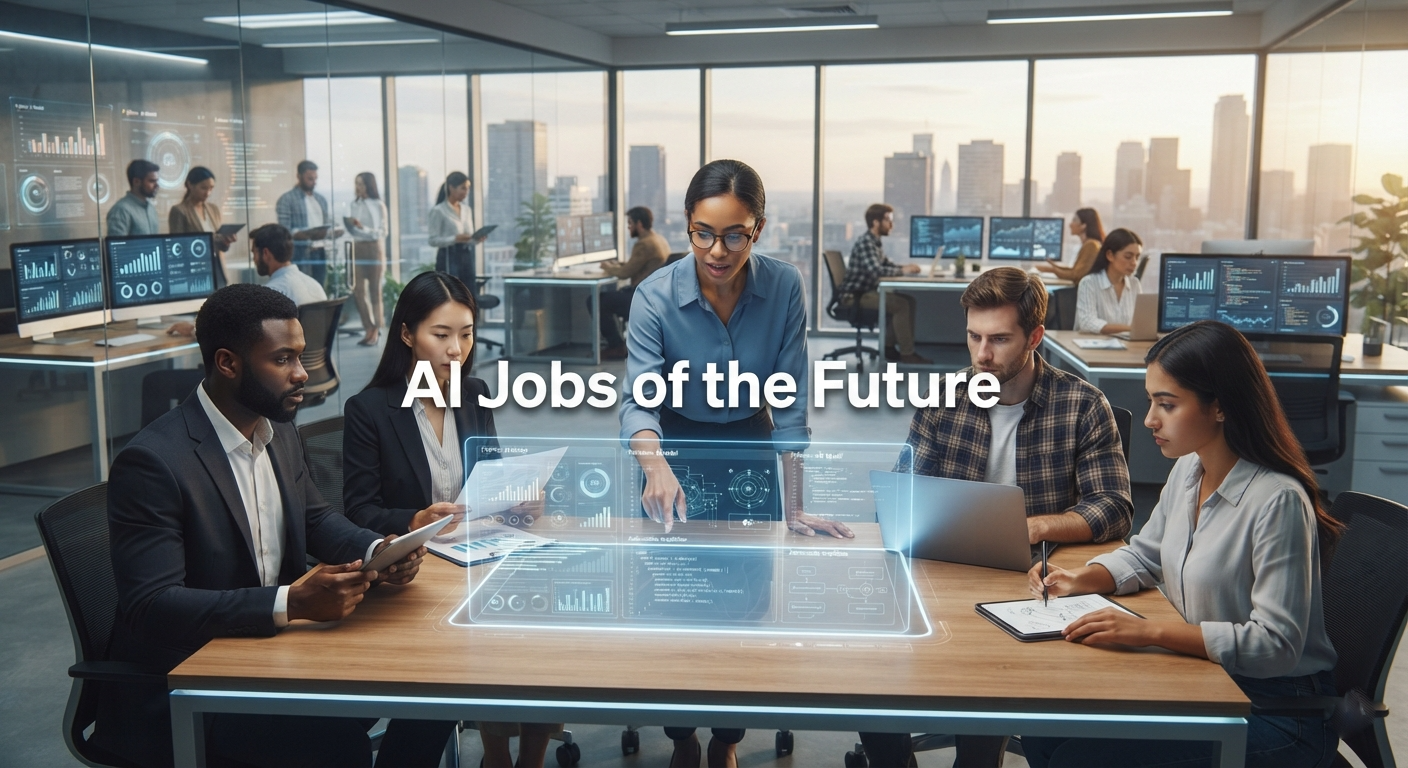
AI Jobs of the Future are becoming a major topic of discussion as artificial intelligence continues to transform industries worldwide. While many people worry about automation replacing traditional roles, technology is also creating entirely new career paths that did not exist a few years ago. As businesses adopt intelligent tools, automation systems, and digital solutions, the demand for skilled professionals who can work alongside these technologies is growing rapidly.
The future workplace is expected to combine human creativity, problem-solving abilities, and strategic thinking with advanced technology. This shift is creating opportunities for individuals willing to learn new skills and adapt to changing industry requirements. Instead of eliminating jobs completely, artificial intelligence is changing the nature of work and opening doors to exciting new professions.
Businesses already using automation and digital transformation strategies understand the importance of preparing for this evolving landscape. Insights available through Rahul Jadhav demonstrate how technology can help organisations improve efficiency while creating opportunities for innovation and growth. Understanding these trends today can help professionals prepare for tomorrow’s workforce.
Artificial intelligence is reshaping the employment market by creating new roles that focus on technology management, automation strategy, data interpretation, and digital innovation. As organisations increasingly adopt intelligent systems, they require skilled professionals who can oversee, optimise, and improve these technologies.
Many of the emerging positions involve working directly with AI-powered tools while ensuring that business goals remain aligned with customer needs. These roles often combine technical knowledge with communication, creativity, and strategic thinking. This combination highlights the continued importance of human expertise in a technology-driven environment.
The future workforce will likely include professionals who specialise in automation implementation, intelligent workflow management, digital transformation consulting, and AI-assisted decision-making. Individuals who embrace lifelong learning and adaptability will be better positioned to succeed in this changing job market. The rise of artificial intelligence is not only transforming businesses but also creating exciting opportunities for career growth.
The growing demand for intelligent systems is creating significant AI employment opportunities across multiple industries. Organisations need professionals who can manage technology adoption, improve workflows, and ensure that automated systems deliver meaningful results.
These opportunities extend beyond technical roles. Marketing professionals, project managers, consultants, educators, and business strategists can all benefit from understanding how AI supports productivity and innovation. As technology becomes more integrated into daily operations, organisations increasingly seek employees who can bridge the gap between technology and business objectives.
This shift means that future careers will often require a combination of digital skills and human-centered abilities such as communication, leadership, and critical thinking.
One of the most exciting aspects of AI adoption is the variety of new roles being created. Businesses are seeking professionals who can design automation strategies, analyse performance data, and improve operational efficiency. These positions help organisations maximise the value of their technology investments.
Another growing area involves digital transformation consulting. Companies implementing automation often require guidance on strategy, implementation, and workforce adaptation. Professionals with expertise in technology and business operations are becoming increasingly valuable.
Organisations are also investing in cybersecurity, content strategy, workflow optimisation, and customer experience management. These areas benefit significantly from intelligent technologies while still requiring strong human oversight and decision-making capabilities.
Technology-focused business solutions highlighted on Rahul Jadhav demonstrate how automation and innovation can support organisational growth while creating demand for professionals who understand modern digital systems.
The expansion of AI employment opportunities is not limited to technology companies. Healthcare providers, educational institutions, manufacturing firms, financial organisations, and marketing agencies are all adopting intelligent systems to improve operations.
Healthcare professionals may use AI-supported tools for research and patient management. Educators can leverage technology to personalise learning experiences. Manufacturing companies benefit from predictive maintenance and workflow optimisation.
As adoption increases across sectors, professionals who understand both industry-specific challenges and technological capabilities will have a competitive advantage in the job market. This broad applicability is one reason why AI-related careers continue to attract attention.
While technical expertise is valuable, many future careers will also require strong human skills. Communication, creativity, leadership, and problem-solving remain essential because technology alone cannot address every challenge organisations face.
Digital literacy is becoming increasingly important across industries. Employees should understand how intelligent tools function and how they can be used to improve productivity and efficiency. Learning about automation, data interpretation, and workflow optimisation can help professionals stay relevant.
Adaptability is another critical skill. Technology evolves rapidly, and individuals who embrace continuous learning are more likely to succeed. Businesses value employees who can adjust to new tools, processes, and market conditions while maintaining high performance.
According to technology and business growth principles discussed on Rahul Jadhav, combining innovation with practical expertise helps organisations and professionals achieve long-term success in a changing digital environment.
The demand for AI employment opportunities is expected to increase because organisations continue investing in automation and digital transformation. Businesses seek greater efficiency, improved customer experiences, and more informed decision-making processes.
As technology becomes more accessible, companies of all sises can implement intelligent solutions. This expansion creates a need for professionals who can manage these systems, train teams, and optimise performance.
Growth in AI-related careers is also supported by the increasing importance of cybersecurity, digital marketing, workflow automation, and business consulting. These fields require professionals who understand both technology and human needs.
Learn the fundamentals of automation, digital tools, and workflow management. Understanding technology basics creates a strong foundation for future career opportunities.
Employers value individuals who can identify challenges and develop practical solutions. Strong analytical thinking remains important in every industry.
Technology projects often require collaboration between technical and non-technical teams. Clear communication improves project success and career growth.
Follow developments in automation and business technology. Staying informed helps you adapt quickly to changing workplace demands.
New tools and systems emerge regularly. Ongoing education ensures your skills remain relevant and competitive.
Future workplaces will need leaders who can manage teams and guide technology adoption effectively. Leadership skills complement technical knowledge.
Learning how organisations function helps you apply technology more effectively. Business knowledge increases your value to employers.
Being open to change allows you to embrace new technologies confidently. Flexibility is essential in rapidly evolving industries.
Researching AI employment opportunities today can help you identify skill gaps and prepare for emerging career paths before demand increases further.
The most successful professionals will balance technical understanding with creativity, empathy, and strategic thinking. This combination creates long-term career resilience.
Artificial intelligence is changing the way organisations operate, but human expertise remains essential. Businesses still need professionals who can think creatively, build relationships, and make strategic decisions. Technology serves as a tool that enhances productivity rather than replacing human value entirely.
Future workplaces will likely involve closer collaboration between people and intelligent systems. Employees who understand how to leverage technology effectively will be better positioned to contribute to organisational success. The ability to combine technical knowledge with human-centered skills will become increasingly important.
Organisations seeking sustainable growth often focus on automation, innovation, and strategic planning. Resources available through Rahul Jadhav emphasise how technology can support business development while creating opportunities for professional advancement and long-term success.
AI Jobs of the Future refer to emerging careers created by the growing adoption of artificial intelligence and automation technologies. These roles often involve managing intelligent systems, improving workflows, and supporting digital transformation. Many positions combine technical knowledge with business skills. They are expected to grow as organisations continue adopting advanced technologies.
Healthcare, education, finance, manufacturing, marketing, and cybersecurity are expected to see significant growth. These industries increasingly use intelligent tools to improve efficiency. Professionals who understand technology can contribute valuable expertise. Opportunities are expanding across many sectors.
Not always. Many positions require communication, project management, consulting, or strategic planning skills. Understanding technology is helpful, but strong human skills remain important. Many careers combine technical awareness with business expertise.
Students should focus on digital literacy, problem-solving, communication, and adaptability. Learning about automation and emerging technologies can provide a competitive advantage. Continuous learning is essential for long-term success. Building practical experience also helps career development.
Artificial intelligence may automate some tasks, but it is also creating new opportunities. Many roles require creativity, leadership, and emotional understanding. Human expertise remains valuable across industries. The future is likely to involve collaboration between people and technology.
AI Jobs of the Future are creating exciting possibilities for professionals across a wide range of industries. As organisations continue adopting automation and intelligent systems, the demand for skilled individuals will increase. The growth of AI employment opportunities highlights the importance of combining digital knowledge with human-centered skills such as communication, creativity, and leadership. By investing in continuous learning, understanding emerging technologies, and developing adaptable skill sets, professionals can position themselves for success in the evolving workforce. The future of work is not just about technology but about how people and innovation work together to create new opportunities and long-term growth.