Physical Address
304 North Cardinal St.
Dorchester Center, MA 02124
Physical Address
304 North Cardinal St.
Dorchester Center, MA 02124
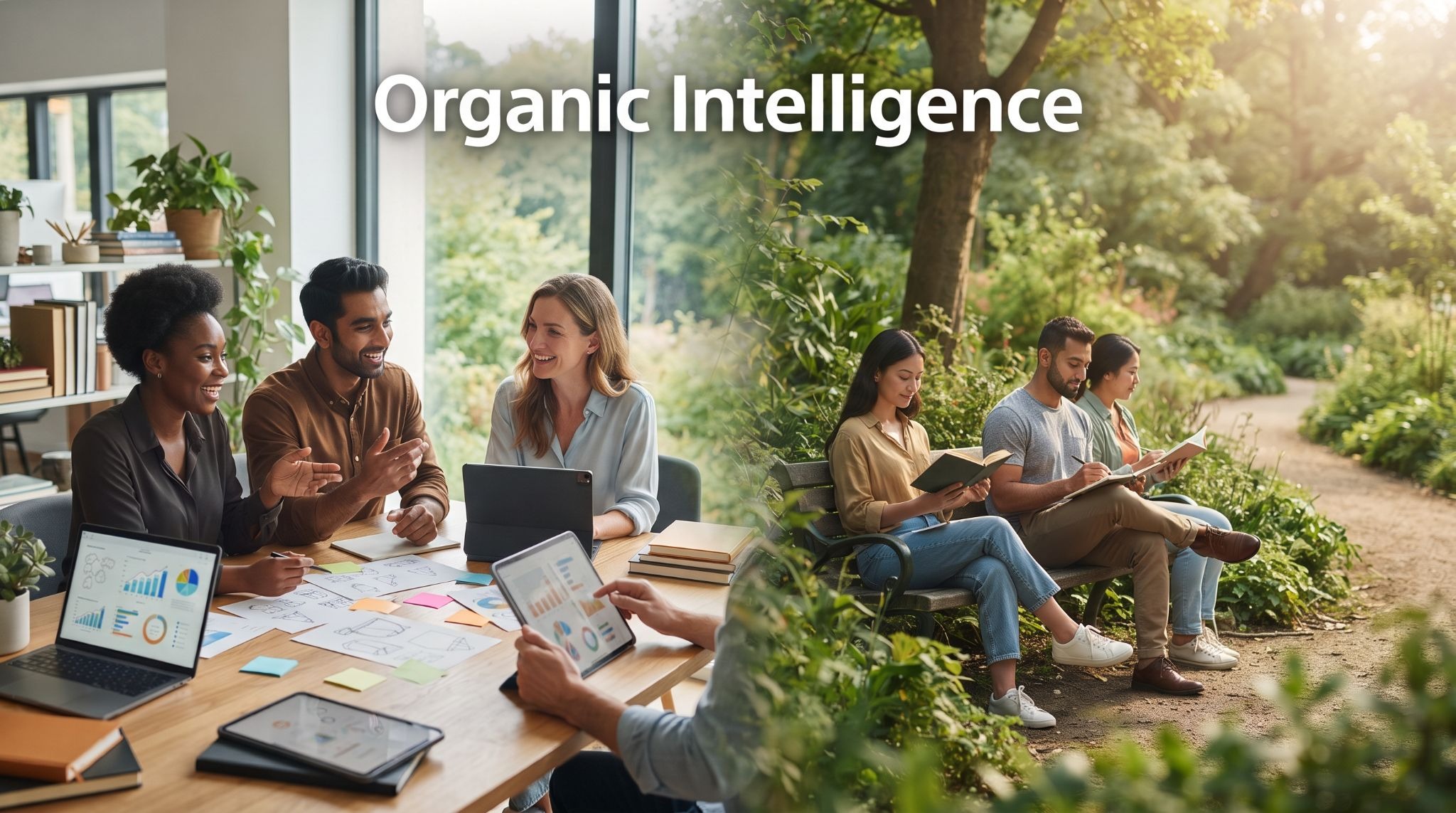
Organic Intelligence remains one of the most valuable strengths humans possess, even as artificial intelligence continues to reshape industries and daily life. In a world increasingly influenced by automation, algorithms, and digital systems, people often wonder whether technology will eventually surpass human capabilities. While AI can process information quickly and automate repetitive tasks, it cannot fully replicate the depth of human understanding, creativity, emotions, and ethical judgment.
Organic Intelligence refers to the natural ability of people to learn, adapt, communicate, solve problems, and make decisions based on experience and context. It is developed through life experiences, education, observation, and social interaction. These abilities help individuals navigate complex situations where empathy, intuition, and critical thinking are essential.
As businesses embrace automation and digital transformation, understanding the value of human capabilities becomes even more important. The technology and business solutions discussed through Rahul Jadhav highlight how innovation works best when technology supports people rather than replacing them. This balance between human strengths and technological advancement is shaping the future of work and society.
Organic Intelligence is the natural cognitive ability that allows humans to think, reason, learn, and adapt to changing circumstances. Unlike machines, people can interpret emotions, understand social cues, and make decisions based on personal experiences and ethical considerations. These capabilities make human thinking uniquely valuable.
One of the defining characteristics of Organic Intelligence is flexibility. Humans can apply knowledge gained in one area to solve problems in another. They can also evaluate situations from multiple perspectives and adjust their approach when circumstances change. This adaptability allows people to navigate uncertainty and complexity effectively.
While technology continues to advance, human abilities remain essential in leadership, creativity, communication, and strategic planning. Organisations that recognise the value of both technology and human expertise are often better positioned for long-term success. Understanding how Organic Intelligence contributes to innovation can help individuals and businesses thrive in an increasingly digital world.
The power of human intelligence lies in its ability to combine knowledge, emotions, experience, and judgment. Humans can understand subtle details, recognise context, and respond to situations in ways that machines often cannot.
People can build relationships, inspire teams, and make ethical decisions based on values and cultural understanding. These qualities are especially important in areas such as leadership, education, healthcare, customer service, and business strategy.
Unlike automated systems that rely on predefined instructions, humans can think creatively and develop innovative solutions when faced with unfamiliar challenges. This adaptability makes human thinking one of the most important assets in any organisation.
As artificial intelligence becomes more common, many people assume technology will replace most human roles. However, the reality is more complex. Technology excels at handling repetitive tasks and analysing large amounts of information, but it still relies on human guidance and oversight.
Humans provide the creativity, ethical judgment, and emotional understanding that machines lack. Businesses often achieve the best results when they combine advanced technology with human expertise. This partnership allows organisations to improve efficiency while maintaining meaningful human interaction.
Many modern business strategies focus on balancing automation with human decision-making. The approaches shared through Rahul Jadhav demonstrate how technology can support productivity while preserving the value of human involvement in critical processes.
Strong decision-making depends heavily on human intelligence because people can evaluate information beyond simple facts and numbers. Humans consider emotions, relationships, long-term consequences, and ethical implications when making important choices.
Business leaders often rely on experience and intuition when dealing with uncertainty. While technology can provide useful insights, final decisions frequently require judgment that comes from years of learning and practical experience.
This ability to balance logic with empathy allows people to make more thoughtful and responsible decisions. It also highlights why human expertise remains important in an increasingly automated world.
Organisations today operate in highly competitive environments where innovation and adaptability are essential. Businesses that leverage both technology and human capabilities often gain a significant advantage. Organic Intelligence helps teams identify opportunities, solve complex problems, and develop creative solutions that technology alone may not generate.
Employees with strong communication and critical-thinking skills contribute to better collaboration and stronger workplace cultures. These qualities improve productivity and encourage continuous improvement across organisations.
Innovation often begins with human curiosity and imagination. New products, services, and business models emerge because people can envision possibilities beyond existing systems. This creative capacity remains one of humanity’s most valuable strengths in the digital age.
The business growth strategies highlighted on Rahul Jadhav emphasise how combining technology with human expertise can drive sustainable success while supporting innovation and operational efficiency.
The future will likely involve closer collaboration between intelligent technologies and human intelligence. Rather than competing with each other, humans and technology can work together to achieve better outcomes.
Technology can automate routine tasks, allowing people to focus on creativity, leadership, and strategic planning. This collaboration improves productivity while ensuring that organisations continue benefiting from uniquely human capabilities.
Businesses that embrace this balanced approach can adapt more effectively to changing market conditions and customer expectations. The combination of human expertise and technological support creates opportunities for long-term growth and innovation.
Question assumptions and evaluate information carefully before making decisions. This habit strengthens reasoning and improves judgment over time.
Exploring diverse topics broadens your perspective and helps you connect ideas from multiple fields. This supports creative problem-solving.
Clear communication helps build stronger relationships and improves collaboration. Listening actively is just as important as speaking effectively.
Understanding your emotions and those of others enhances leadership and decision-making abilities. Emotional awareness strengthens personal and professional relationships.
Continuous learning keeps your mind active and adaptable. New knowledge helps you stay relevant in a rapidly changing world.
Challenge yourself to find solutions to everyday issues. Regular problem-solving strengthens analytical thinking and creativity.
Strong social connections provide opportunities for learning and growth. Collaboration often leads to better ideas and outcomes.
Curiosity encourages exploration and innovation. Asking questions helps uncover new perspectives and opportunities.
Taking time to reflect on experiences helps improve human intelligence by turning lessons into valuable knowledge and better future decisions.
Use technology as a tool rather than a replacement for thinking. Maintaining active engagement with learning and decision-making strengthens cognitive abilities.
Technology will continue transforming industries, workplaces, and daily life. However, human abilities remain essential because people bring creativity, empathy, adaptability, and ethical judgment to every situation. These strengths cannot be fully replicated by machines.
Organisations that invest in both technology and people are more likely to achieve sustainable success. Employees who continue developing their skills can contribute meaningful value even as automation becomes more common.
The future belongs to those who understand how to combine innovation with human-centered thinking. Insights available through Rahul Jadhav demonstrate how businesses can embrace technology while preserving the qualities that make human contribution so valuable.
Organic Intelligence refers to the natural ability of humans to think, learn, reason, and adapt through experience. It includes creativity, emotional understanding, and critical thinking. Unlike machines, humans can interpret context and make ethical decisions. These qualities make human thinking uniquely valuable.
Human intelligence remains important because it supports creativity, leadership, and decision-making. People can understand emotions and complex situations better than machines. These abilities help solve problems that require judgment and empathy. They remain essential across industries.
Technology can automate tasks and process information quickly, but it cannot fully replicate human experience and emotional understanding. People bring creativity and ethical reasoning to decision-making. Human involvement remains critical in many situations. Technology works best when supporting human capabilities.
Individuals can strengthen their abilities through continuous learning, reading, reflection, and problem-solving. Building strong communication skills also helps. Staying curious encourages personal growth and innovation. Consistent practice improves long-term cognitive performance.
People will continue contributing creativity, leadership, and strategic thinking. Technology may handle repetitive activities, but human judgment will remain important. Organisations will benefit from collaboration between people and digital tools. This balance supports innovation and productivity.
Organic Intelligence continues to play a vital role in a world increasingly influenced by technology. While automation and digital systems offer significant advantages, they cannot replace the creativity, empathy, adaptability, and judgment that define human intelligence. Understanding the strengths of Organic Intelligence helps individuals and organisations make better decisions, foster innovation, and build meaningful relationships. By combining technological advancements with human-centered thinking, businesses and professionals can create sustainable success and prepare confidently for the future. The enduring value of Organic Intelligence reminds us that technology works best when it enhances, rather than replaces, human potential.