Physical Address
304 North Cardinal St.
Dorchester Center, MA 02124
Physical Address
304 North Cardinal St.
Dorchester Center, MA 02124
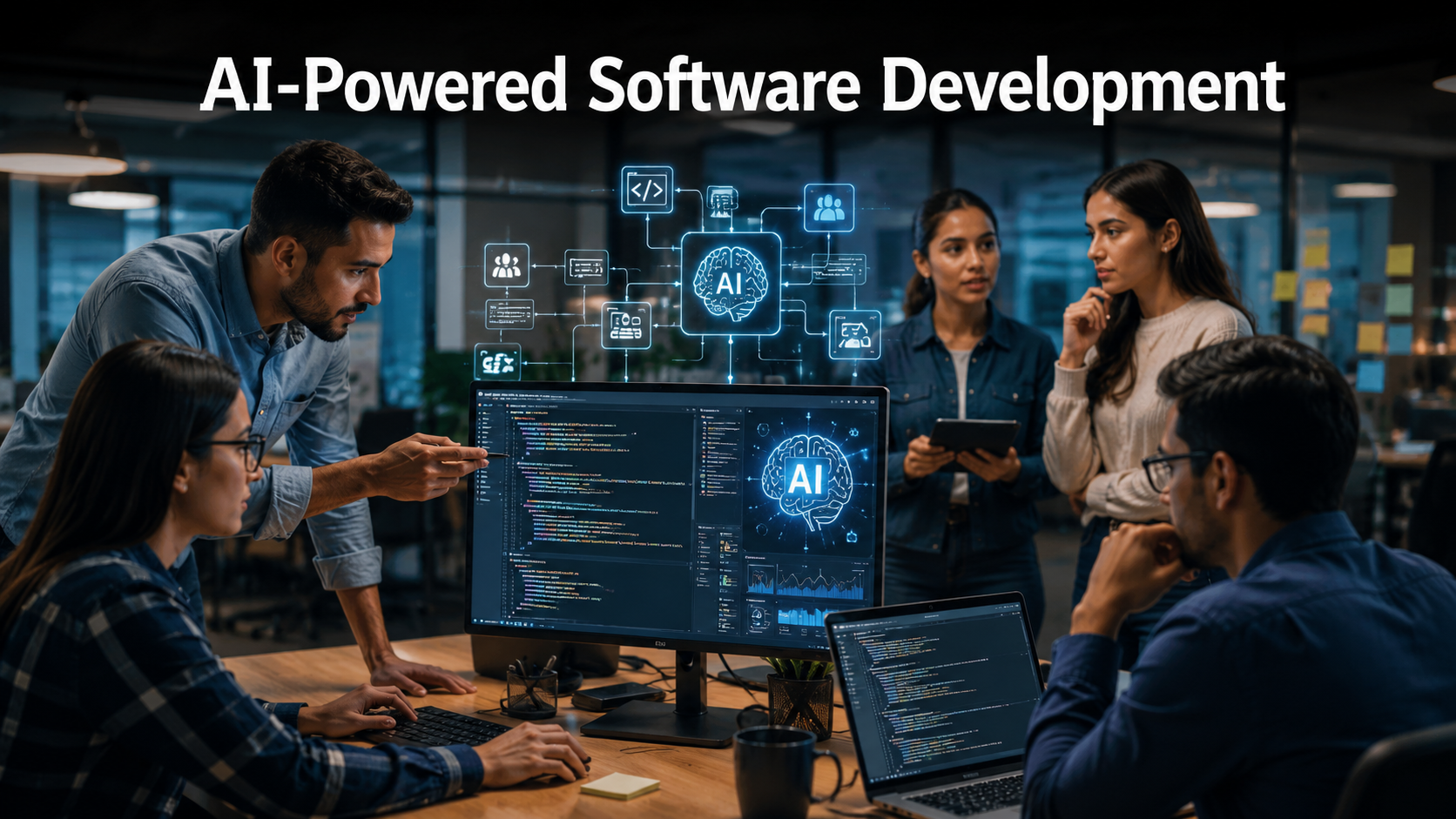
AI-Powered Software Development is rapidly transforming the way modern applications, websites, and digital solutions are created. Businesses today are looking for faster development cycles, improved software quality, and more efficient workflows. Artificial intelligence is helping developers achieve these goals by simplifying repetitive tasks, improving code quality, and accelerating project delivery.
Software development has traditionally required extensive planning, coding, testing, and maintenance. While these processes remain important, AI-powered tools are helping teams work more efficiently and focus on solving business problems rather than spending excessive time on routine activities. This shift allows organisations to build innovative solutions faster while maintaining high standards.
As highlighted through the services and expertise available on rahuljadhav.in, modern businesses are increasingly combining automation, software development, and digital transformation strategies to improve productivity and achieve sustainable growth. Understanding how AI is influencing software creation can help organisations prepare for the future of technology.
The software industry is experiencing a major transformation as intelligent technologies become part of the development process. Developers are now able to automate certain coding tasks, identify potential issues earlier, and improve overall project efficiency. These capabilities reduce development time and help teams focus on innovation.
One of the biggest advantages is the ability to streamline workflows. Instead of manually performing every repetitive task, development teams can leverage AI-assisted processes to improve productivity. This allows projects to move forward more quickly while maintaining quality standards.
Organisations across different industries are adopting these approaches because they improve efficiency and support business growth. The combination of human expertise and intelligent automation creates a more effective development environment. As technology continues to evolve, businesses that embrace modern development practices will be better positioned to compete in increasingly digital markets.
The rise of AI in software development is helping organisations improve productivity and reduce the time required to build applications. Intelligent systems can assist with code suggestions, testing processes, documentation, and project management activities.
Developers still play the most important role because creativity, problem-solving, and business understanding remain essential. However, AI can support these professionals by handling repetitive activities and providing useful recommendations. This collaboration allows teams to focus on delivering better solutions for users.
As businesses continue investing in digital transformation, the integration of AI into development workflows is becoming increasingly common. Companies that understand how to use these tools effectively can gain significant advantages in speed, efficiency, and innovation.
Artificial intelligence offers several benefits throughout the software development lifecycle. One major advantage is faster project completion. By automating repetitive activities, development teams can focus on strategic and creative aspects of software creation.
Another important benefit is improved code quality. AI-powered tools can help identify errors, inconsistencies, and potential performance issues before they become larger problems. This contributes to more reliable and stable applications.
Software maintenance can also become more efficient. Intelligent systems help developers monitor performance, identify areas for improvement, and address issues proactively. These capabilities support long-term software success and enhance user satisfaction.
Organisations that combine development expertise with automation strategies, similar to those discussed on rahuljadhav.in, often experience greater operational efficiency and stronger business outcomes.
The impact of AI in software development extends beyond coding assistance. It helps teams optimise workflows, manage resources more effectively, and reduce unnecessary manual effort. These improvements contribute directly to higher productivity.
Developers often spend significant time on repetitive tasks such as testing, debugging, and documentation. AI can assist with these activities, allowing professionals to focus on designing innovative features and solving customer challenges.
This balance between automation and human expertise helps organisations achieve better results while maintaining flexibility and creativity. Businesses that adopt these practices can accelerate project delivery and improve overall software quality.
Artificial intelligence can contribute to multiple stages of software creation. During planning, it can help analyse requirements and identify potential risks. During development, it can support coding activities and suggest improvements.
Testing is another area where AI delivers significant value. Automated testing processes can identify bugs more quickly and improve quality assurance efforts. Faster testing often leads to shorter release cycles and improved reliability.
Maintenance and optimisation also benefit from intelligent technologies. AI-powered monitoring tools help developers understand application performance and identify opportunities for improvement. This proactive approach supports long-term software success.
Many businesses exploring automation and development solutions through rahuljadhav.in recognise the importance of combining technical expertise with intelligent technologies to achieve sustainable growth and operational efficiency.
The future of AI in software development appears promising as technology continues to evolve. Intelligent tools are expected to become more capable, helping developers manage increasingly complex projects and deliver higher-quality solutions.
Future development environments may provide more advanced recommendations, improved testing capabilities, and better workflow automation. These advancements could reduce development costs while improving speed and efficiency.
However, human expertise will remain essential. Developers will continue to guide strategy, design user experiences, and make important decisions. The future is likely to involve stronger collaboration between people and intelligent systems rather than complete automation.
Define business objectives before implementing AI tools. Clear goals help ensure technology supports meaningful outcomes and measurable success.
Identify repetitive tasks that consume valuable time. Automating these processes can improve efficiency and reduce development delays.
Always review AI-generated suggestions and recommendations. Human expertise ensures accuracy, quality, and alignment with project requirements.
Developers should understand how to use AI-assisted tools effectively. Continuous learning improves adoption and maximises benefits.
Use AI to support testing and code review processes. High-quality applications improve user satisfaction and reduce maintenance costs.
Encourage communication between developers, project managers, and stakeholders. Strong teamwork enhances project success and innovation.
Track software performance and user feedback regularly. Continuous evaluation helps identify opportunities for improvement.
Ensure applications follow strong security practices throughout development. Protecting user data should remain a key focus.
Implement AI in software development where it delivers the most value. Strategic adoption helps organisations achieve better results without unnecessary complexity.
Technology evolves quickly, so businesses should remain flexible and open to innovation. Continuous improvement supports long-term competitiveness.
While AI offers many advantages, organisations should also be aware of potential challenges. Implementing new technologies requires planning, training, and investment. Teams must understand how to integrate AI effectively into existing workflows.
Another challenge involves maintaining quality and accountability. AI-generated suggestions should always be reviewed to ensure they align with business goals and technical requirements. Human oversight remains essential for successful implementation.
Businesses must also consider data security and privacy. Responsible technology usage helps protect sensitive information and maintain trust with customers. Organisations that balance innovation with responsibility are more likely to achieve long-term success.
As demonstrated through the technology, automation, and development solutions available on rahuljadhav.in, combining expertise with intelligent technologies can help businesses overcome challenges and achieve sustainable growth.
AI-Powered Software Development refers to the use of artificial intelligence technologies to assist with software planning, coding, testing, and maintenance. These tools help developers improve productivity and reduce repetitive work. Human expertise remains essential throughout the process. The goal is to create better software more efficiently.
AI assists developers by automating routine activities such as testing, code suggestions, and documentation. This allows teams to focus on solving complex business challenges. It also helps improve efficiency and productivity. Developers remain responsible for strategic decisions and creativity.
AI cannot fully replace developers because software creation requires problem-solving, creativity, and business understanding. Intelligent tools are designed to support professionals rather than replace them. Human expertise remains critical for project success. Collaboration produces the best outcomes.
The benefits include faster development cycles, improved code quality, reduced manual effort, and better testing processes. Organisations can deliver projects more efficiently. Teams can focus on innovation and user experience. These advantages support long-term business growth.
AI can provide value across many types of software projects, but implementation should align with business needs and goals. Some projects benefit more than others from automation. Careful planning is important for success. Organisations should evaluate requirements before adoption.
AI-Powered Software Development is changing the way modern software is planned, built, tested, and maintained. By combining human expertise with intelligent automation, businesses can improve productivity, accelerate project delivery, and enhance software quality. Throughout this article, we explored how AI in software development supports different stages of creation, improves efficiency, and helps organisations remain competitive. While challenges exist, thoughtful implementation and continuous learning can maximise the benefits. As technology continues to evolve, AI-Powered Software Development will play an increasingly important role in shaping the future of digital innovation and business growth.