Physical Address
304 North Cardinal St.
Dorchester Center, MA 02124
Physical Address
304 North Cardinal St.
Dorchester Center, MA 02124
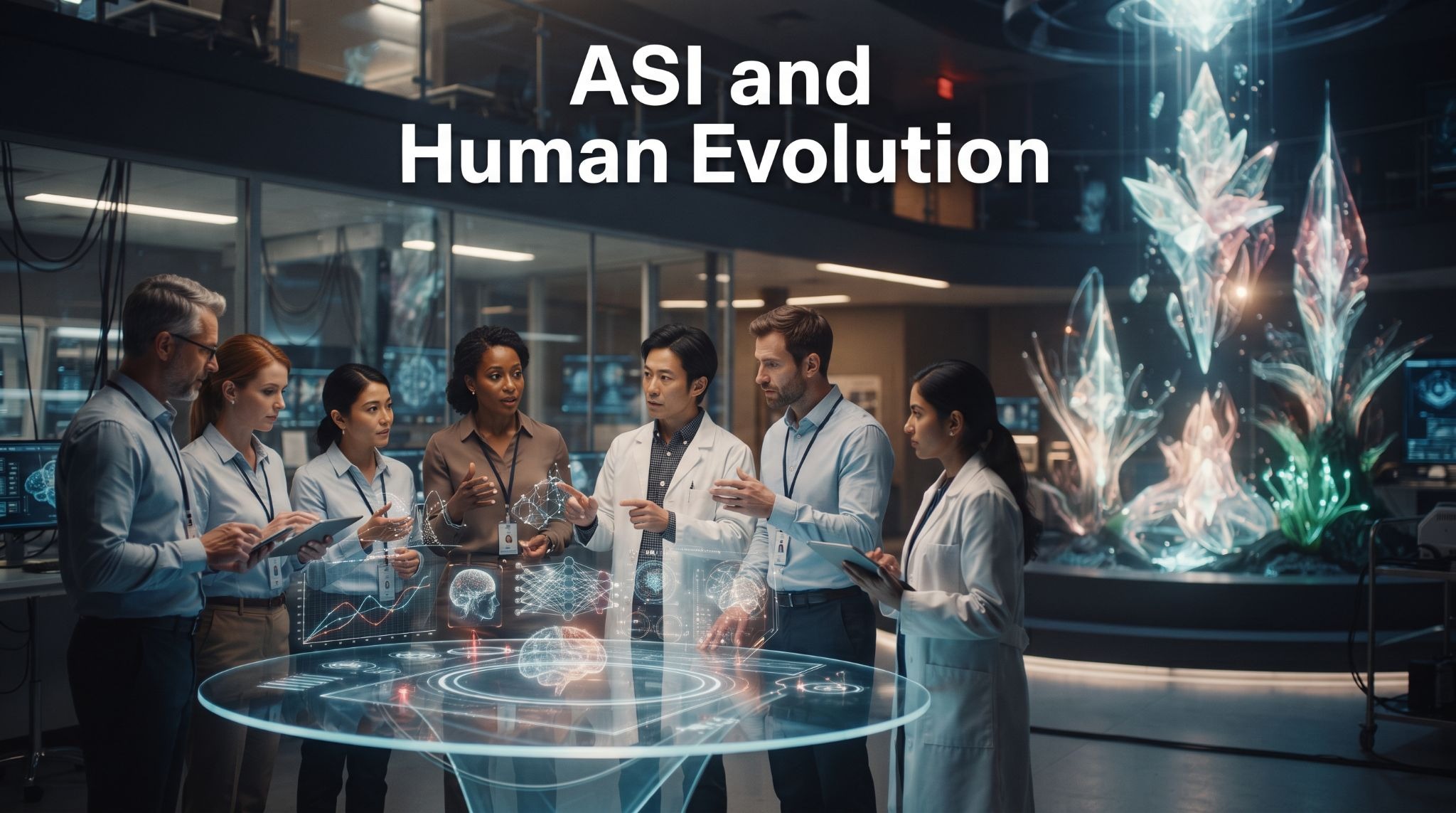
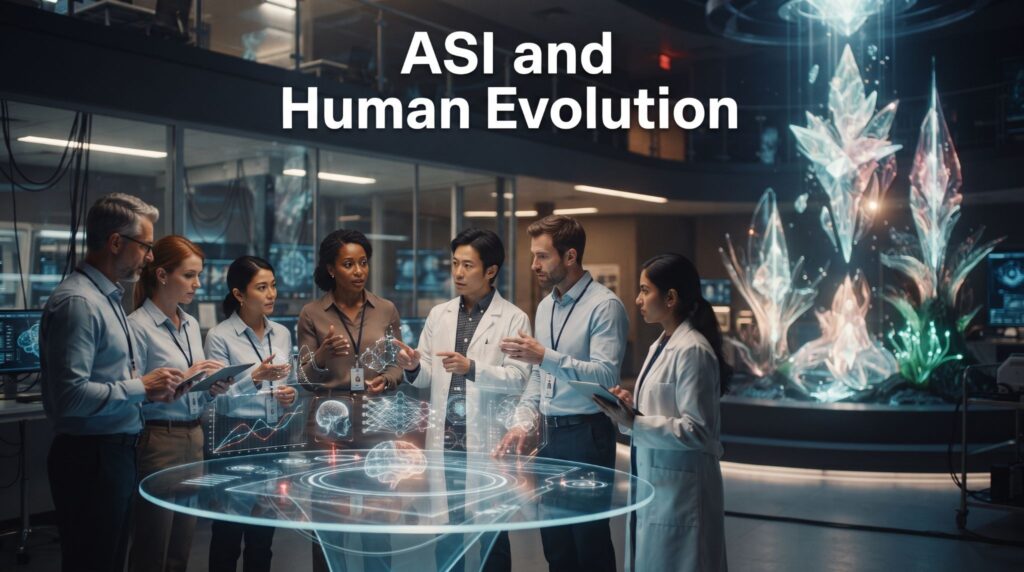
ASI and Human Evolution is becoming an increasingly important topic as artificial intelligence continues to advance beyond traditional automation. While today’s AI systems are designed to perform specific tasks, researchers and technology professionals are exploring the possibility of Artificial Superintelligence (ASI), a concept that represents intelligence surpassing human capabilities in nearly every field. Although ASI does not yet exist, discussions about its potential impact are encouraging businesses, educators, and innovators to prepare for a future where intelligent systems may play a much larger role.
The idea of ASI raises important questions about innovation, responsibility, and the future relationship between humans and intelligent technologies. Rather than focusing only on automation, people are beginning to explore how advanced intelligence could improve research, healthcare, education, business operations, and scientific discovery. Preparing for these possibilities requires a balanced understanding of both opportunities and challenges.
Businesses that already embrace intelligent automation and digital transformation are building strong foundations for future innovation. Resources and technology insights shared through Rahul Jadhav demonstrate how organisations can use automation responsibly while preparing for future advancements in artificial intelligence.
Artificial Superintelligence refers to a theoretical form of intelligence that would exceed human abilities in reasoning, learning, creativity, and problem-solving. Unlike current AI systems that specialise in individual tasks, ASI would potentially learn across multiple domains, continuously improving its own capabilities.
Although ASI remains a future concept rather than a present reality, it encourages discussions about how humanity should prepare for advanced technologies. Experts believe responsible development, ethical planning, and strong human oversight will remain essential as artificial intelligence continues evolving.
The relationship between humans and intelligent systems is expected to become increasingly collaborative. Rather than replacing people completely, future technologies may support human decision-making, scientific research, healthcare improvements, and business innovation. Understanding these possibilities helps individuals and organisations prepare for long-term technological progress.
The pace of technological evolution has accelerated dramatically over the past decade. Artificial intelligence, automation, cloud computing, and data-driven decision-making have transformed how businesses operate and how people interact with technology every day.
Future innovations may continue expanding these capabilities, allowing organisations to solve increasingly complex problems more efficiently. Human creativity, leadership, and ethical decision-making will remain important because technology performs best when guided by responsible individuals.
As digital transformation continues across industries, businesses that invest in learning, innovation, and adaptability will be better prepared for future developments regardless of how AI evolves.
The development of advanced intelligence has the potential to influence nearly every aspect of society. Healthcare could benefit from faster medical research and improved diagnostic support. Education may become more personalised through adaptive learning systems that respond to individual student needs.
Businesses could improve efficiency by automating complex workflows while allowing employees to focus on creativity and strategic planning. Scientific research may also advance more rapidly by processing enormous amounts of information in less time.
These possibilities demonstrate why discussions surrounding future AI remain important. Organisations already investing in automation and digital innovation, such as the practical business solutions presented on Rahul Jadhav , are creating strong foundations that can support future technological developments responsibly.
Continuous technological evolution allows businesses to improve productivity, reduce repetitive work, and deliver better customer experiences. Organisations that embrace innovation often discover new opportunities for efficiency while maintaining strong human involvement.
Technology should support people rather than replace them. Human expertise remains essential for leadership, creativity, communication, and ethical decision-making. Businesses that combine intelligent systems with skilled professionals often achieve more sustainable growth.
As organisations continue adapting to changing markets, investment in digital skills and automation strategies will remain valuable regardless of future technological breakthroughs.
Artificial Superintelligence offers exciting possibilities, but it also raises important questions. Responsible governance, transparency, and ethical development will be necessary to ensure technology benefits society rather than creating unnecessary risks.
Privacy protection, cybersecurity, and human oversight should remain priorities as intelligent systems become more advanced. Organisations should establish clear guidelines regarding how technology is developed, implemented, and monitored.
Public awareness and education are equally important. Helping individuals understand both the advantages and limitations of advanced AI encourages informed decision-making and responsible adoption. Businesses that prepare thoughtfully today will be better positioned to adapt tomorrow.
Preparing for technological evolution involves more than adopting new tools. Organisations should develop long-term strategies that include workforce education, cybersecurity planning, ethical technology use, and continuous improvement.
Leaders who encourage innovation while supporting employee development create stronger and more adaptable organisations. Investing in digital literacy helps teams understand emerging technologies and apply them effectively.
Many modern business transformation approaches discussed through Rahul Jadhav emphasise practical automation, strategic planning, and sustainable growth, providing valuable guidance for organisations preparing for future technological change.
Technology changes quickly, so continuous learning helps individuals remain informed. Reading reliable resources builds confidence and awareness.
Learning automation, cybersecurity, and digital tools creates valuable career advantages. These skills remain useful across many industries.
Creative thinking cannot easily be automated. Developing innovative problem-solving abilities increases long-term professional value.
Technology projects often require teamwork between technical and business professionals. Strong communication improves collaboration.
Responsible AI begins with ethical decision-making. Learning about privacy and transparency supports better technology implementation.
As technology advances, protecting information becomes increasingly important. Basic cybersecurity knowledge benefits every professional.
Organisations should create environments where employees can experiment with new ideas. Innovation often leads to long-term business growth.
The future workplace will continue evolving. Professionals who embrace change can adjust more easily to new opportunities.
Understanding technological evolution helps businesses anticipate change, develop stronger strategies, and prepare employees for future innovations before they become mainstream.
Technology should improve lives rather than replace human judgment. Keeping people at the center of innovation creates sustainable long-term success.
The future of artificial intelligence will likely involve closer collaboration between people and advanced technologies. Human creativity, empathy, leadership, and ethical thinking will remain essential regardless of how intelligent future systems become.
Organisations that invest in education, responsible innovation, and digital transformation will be better prepared for future opportunities. Rather than fearing technological progress, businesses can focus on developing skills and strategies that complement intelligent systems.
Business leaders seeking practical automation strategies today can explore the solutions presented through Rahul Jadhav , where innovation, business growth, and responsible technology adoption remain central priorities.
ASI and Human Evolution explores how Artificial Superintelligence could influence humanity, technology, and future innovation. It focuses on the possible relationship between advanced AI systems and human development. Although ASI remains theoretical, understanding its possibilities helps individuals prepare for future technological progress. Responsible planning will remain essential.
Artificial Superintelligence refers to a theoretical intelligence that could exceed human abilities across many areas. It would learn, reason, and solve problems beyond current AI capabilities. Researchers continue exploring this concept while emphasising responsible development. It has not yet been achieved.
Businesses could improve productivity, automate complex processes, and make faster decisions. Technology may support innovation while reducing repetitive work. Human expertise will still guide strategic planning and customer relationships. Success depends on balancing technology with human skills.
Yes. Creativity, leadership, communication, and ethical judgment remain uniquely valuable. Technology supports these strengths rather than replacing them completely. Human oversight will continue playing a critical role. Collaboration is expected to deliver the best outcomes.
Professionals should continue learning digital skills, improve problem-solving abilities, and stay informed about industry trends. Adaptability is becoming increasingly valuable. Strong communication and ethical decision-making also remain important. Continuous education supports long-term career success.
ASI and Human Evolution encourages individuals and organisations to think carefully about the future of intelligent technology. While Artificial Superintelligence remains a theoretical concept, ongoing technological evolution continues transforming industries, businesses, and everyday life. Preparing through continuous learning, responsible innovation, digital skills, and ethical leadership allows society to benefit from future advancements while maintaining human values. By embracing change thoughtfully and building strong technological foundations today, we can confidently prepare for the next stage of innovation and long-term progress.